Escalation in the Gulf: U.S. Action Against Iranian Vessel Raises Tensions
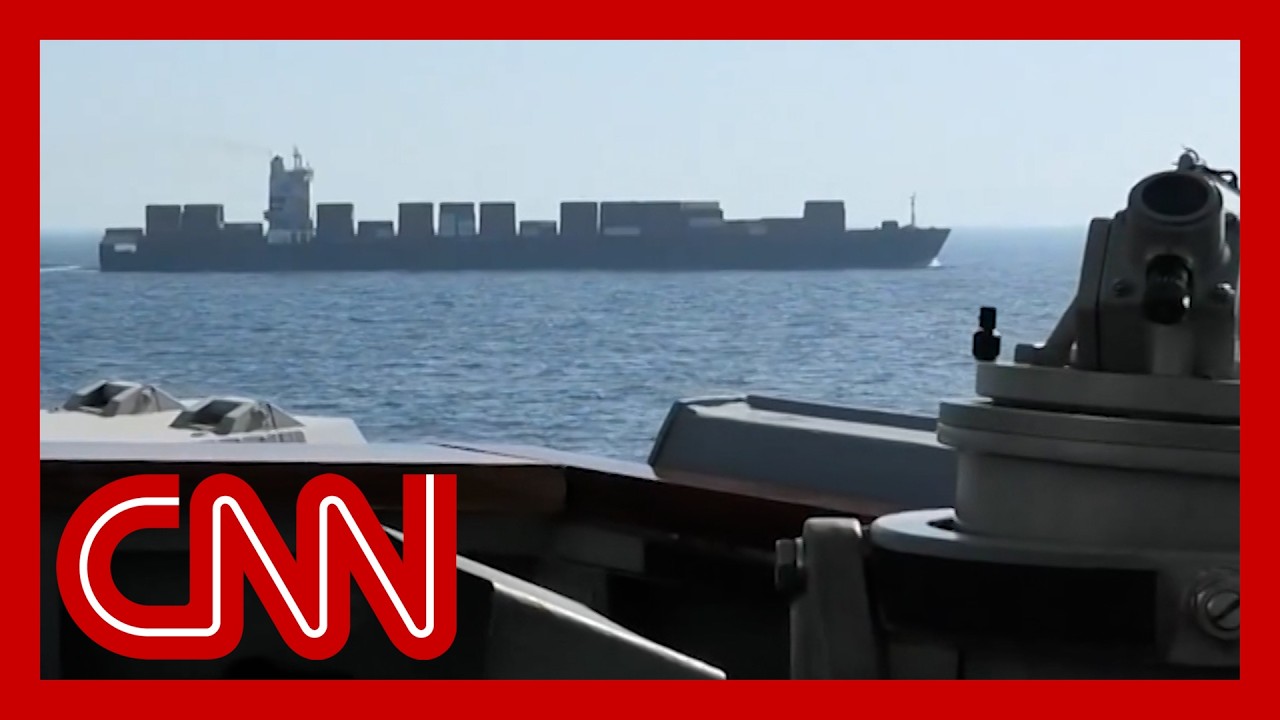
In a striking development in U.S.-Iran relations, the U.S. Navy fired upon and seized an Iranian-flagged cargo ship attempting to breach a U.S. naval blockade in the Gulf of Oman. The incident was announced by former President Donald Trump, intensifying an already volatile situation just days before upcoming peace talks aimed at alleviating tensions in the region. This incident, part of a fragile ceasefire set to expire soon, has reignited fears of escalation amid ongoing geopolitical tensions, particularly regarding control of the strategic Strait of Hormuz.
According to Trump, the USS Spruance, a guided missile destroyer, intercepted the vessel after the crew ignored multiple warnings to halt. The U.S. Navy responded decisively, firing into the ship’s engine room to ensure compliance. Currently, U.S. Marines have taken custody of the vessel, raising questions about the broader implications for international maritime law and regional stability.
This incident comes on the heels of renewed threats from Trump, who has accused Iran of violating the ceasefire. When asked whether he would consider extending the deal—if an agreement was not reached by its expiration—Trump’s cryptic response suggested that further negotiations may be precarious at best. The imminent talks involve top U.S. officials and are crucial for determining the next steps in foreign policy toward Iran.
Former U.S. Ambassador to the United Nations John Bolton weighed in, arguing that the seizure of the Iranian vessel is a clear demonstration of U.S. resolve. Bolton highlighted the importance of enforcing blockades to ensure compliance with international sanctions. Some vessels, he noted, are notoriously associated with shady ownership, changing flags to evade detection and scrutiny. If true, the status of the ship as a "stateless vessel" complicates any potential legal responses from Iran to the U.S. seizure.
Bolton contended that Iran’s defiance of the blockade has escalated tensions and questioned the viability of the current ceasefire, suggesting that U.S. and allied actions need to extend beyond enforcement of blockades to include more aggressive measures in the Gulf region. He stressed that the international community must learn a lesson from Iran’s behavior: that such provocations will not be tolerated.
The current standoff raises essential questions about the underlying motives of both nations. While continued dialogues are planned, insiders believe that the balance of power is precarious. There is a sense that Iran may test U.S. resolve through provocative actions, particularly as it contemplates its responses in light of the blockade. This situation is further complicated by potential military counteractions from Iran against U.S. naval forces, which could spiral into open confrontation.
General Wesley Clark, former NATO Supreme Allied Commander, also weighed in on the issue. He stated that while the blockade remains a strategic challenge, it has yet to provoke any retaliatory missile fire from Iranian coastal installations. This absence of immediate military response may indicate Iran’s hesitance to escalate tensions further, particularly given the precarious balance of risk versus reward inherent in the current geopolitical climate.
Clark emphasized that as the U.S. enforces the blockade, Iran has limited avenues for retaliation without invoking severe regional reprisals. While tensions could lead to miscalculations, both nations may recognize the high stakes involved. As the clock ticks toward impending negotiations, their focus remains on avoiding missteps that could alter the trajectory toward a potential resolution.
In conclusion, the U.S. action against the Iranian vessel signifies a marked shift in the engagement between two countries at the brink of conflict. As both sides face domestic as well as international pressures, the upcoming peace talks will serve as a crucial litmus test for de-escalation efforts. It remains to be seen whether this confrontation will lay the groundwork for a more stable future or further entrench the adversarial dynamics that have characterized U.S.-Iran relations for decades. The implications of these actions extend beyond military considerations, touching upon international law, long-standing diplomatic norms, and the intricate machinery of global trade.